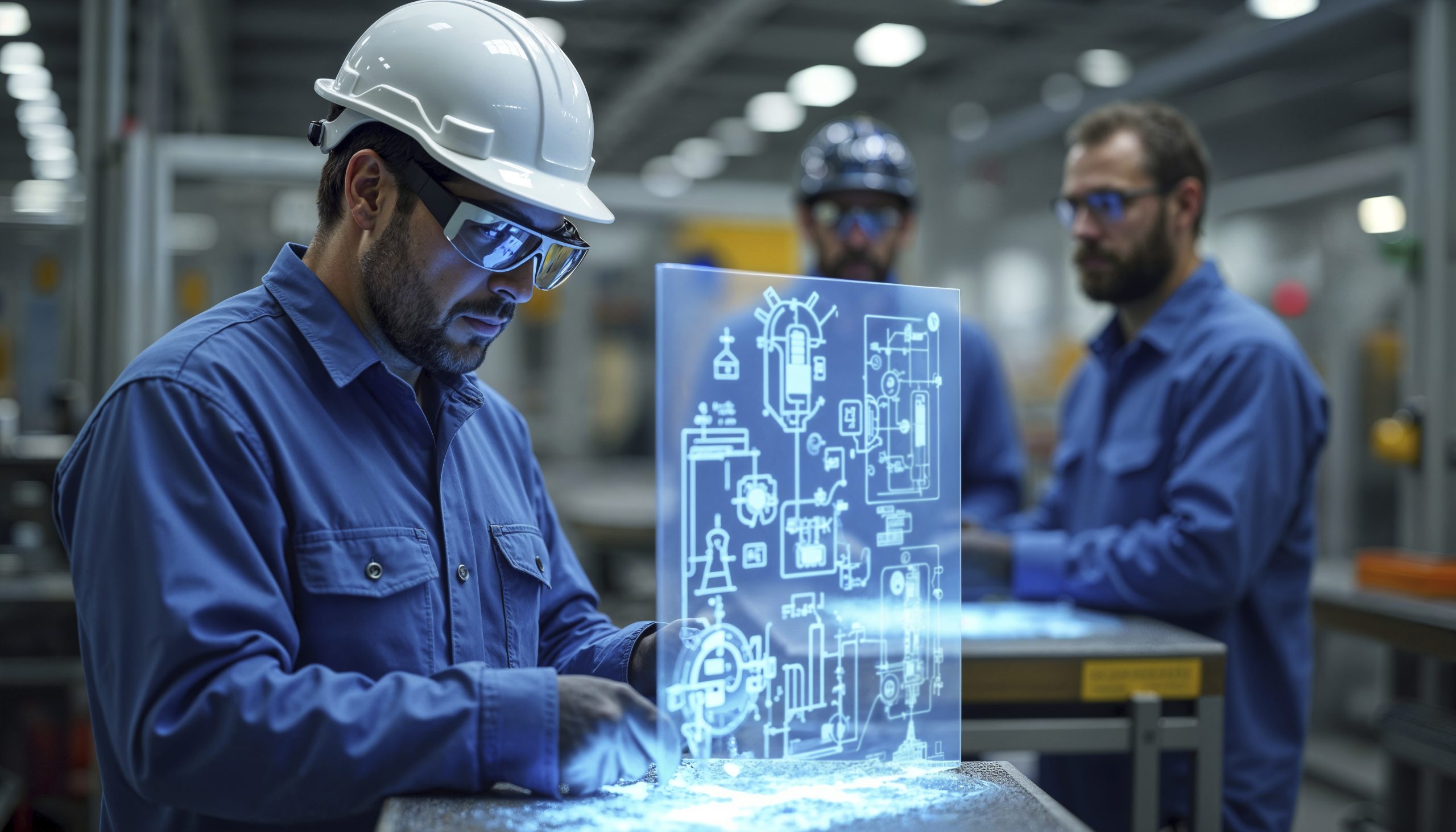
In the modern manufacturing landscape, companies are constantly seeking ways to improve efficiency while keeping operational costs under control. Increasing competition, fluctuating demand, and rising material and labor costs make it essential for manufacturers to adopt smarter, more integrated systems. One of the most effective solutions available today is ERP software for manufacturing.
Enterprise Resource Planning (ERP) systems are designed to unify core business processes into a single, centralized platform. From production and inventory management to finance and supply chain operations, ERP software provides real-time visibility and automation that significantly enhances efficiency while reducing unnecessary expenses. In this article, we will explore how ERP software for manufacturing helps companies streamline operations and achieve cost savings in 2026.
Centralized Data for Faster Operations
One of the main reasons manufacturing operations become inefficient is the presence of disconnected systems and data silos. When departments operate independently using separate tools, it leads to duplicated work, communication gaps, and data inconsistencies.
ERP software for manufacturing eliminates these issues by centralizing all business data into one system. This means that departments such as procurement, production, finance, and sales can access the same information in real time.
With a single source of truth, employees no longer need to spend time searching for data or verifying its accuracy. This speeds up daily operations, reduces errors, and ensures that decisions are based on reliable information.
Automation of Routine Processes
Manual processes are not only time-consuming but also prone to human error. Tasks such as data entry, order processing, inventory updates, and report generation can take up a significant amount of time when handled manually.
ERP systems automate these routine processes, allowing employees to focus on more strategic activities. For example, purchase orders can be generated automatically based on inventory levels, and invoices can be processed without manual intervention.
This level of automation reduces labor costs and minimizes the risk of costly mistakes. Over time, the efficiency gains from automation can have a substantial impact on overall productivity.
Improved Inventory Control
Inventory mismanagement is one of the biggest sources of unnecessary costs in manufacturing. Overstocking leads to high carrying costs, while understocking can result in production delays and lost sales.
ERP software for manufacturing provides real-time inventory tracking, helping companies maintain optimal stock levels. The system can automatically update inventory data as materials are received, used, or shipped.
Advanced features such as demand forecasting and automated replenishment ensure that manufacturers always have the right amount of inventory at the right time. This reduces waste, lowers storage costs, and prevents production disruptions.
Optimized Production Planning
Efficient production planning is essential for minimizing waste and maximizing output. Without proper planning tools, manufacturers may experience machine downtime, inefficient scheduling, or underutilized resources.
ERP systems offer advanced production planning and scheduling capabilities. These tools analyze various factors, including machine capacity, labor availability, and material requirements, to create optimized production schedules.
By aligning production with actual demand and available resources, manufacturers can reduce idle time, avoid overproduction, and improve overall efficiency. This directly translates into lower operational costs and better resource utilization.
Reduction of Operational Waste
Waste in manufacturing can take many forms, including excess materials, inefficient processes, and unnecessary labor. ERP software helps identify and eliminate these inefficiencies.
With real-time monitoring and detailed analytics, companies can pinpoint areas where resources are being wasted. For example, the system may reveal that certain production processes consume more materials than necessary or that specific workflows cause delays.
By addressing these issues, manufacturers can streamline their operations, reduce waste, and improve profitability. Lean manufacturing practices become easier to implement when supported by accurate data and insights from ERP systems.
Better Supply Chain Management
Supply chain inefficiencies can lead to delays, increased costs, and dissatisfied customers. Managing suppliers, shipments, and logistics manually often results in miscommunication and lack of visibility.
ERP software for manufacturing integrates supply chain operations into a single platform, providing end-to-end visibility. Companies can track orders, monitor supplier performance, and manage logistics in real time.
This improved visibility allows manufacturers to make better decisions, negotiate better terms with suppliers, and avoid costly delays. A more efficient supply chain leads to reduced operational costs and improved customer satisfaction.
Enhanced Financial Management
Cost control is not possible without a clear understanding of financial performance. ERP systems include integrated financial management tools that provide real-time insights into expenses, revenues, and profitability.
Manufacturers can track costs at every stage of production, from raw materials to finished goods. This level of detail helps identify areas where expenses can be reduced.
Additionally, ERP software automates financial processes such as budgeting, accounting, and reporting. This reduces administrative overhead and ensures greater accuracy in financial data.
With better financial visibility, companies can make informed decisions that improve both efficiency and cost management.
Minimized Downtime Through Predictive Maintenance
Machine downtime is a major contributor to lost productivity and increased costs in manufacturing. Unexpected equipment failures can disrupt production schedules and lead to expensive repairs.
Modern ERP systems integrate with IoT devices and sensors to enable predictive maintenance. These systems monitor machine performance in real time and identify potential issues before they become critical.
By scheduling maintenance proactively, manufacturers can reduce downtime, extend equipment lifespan, and avoid costly emergency repairs. This not only improves efficiency but also contributes to long-term cost savings.
Improved Workforce Productivity
Employees play a crucial role in manufacturing efficiency. However, without the right tools, even the most skilled workforce may struggle to perform at their best.
ERP software provides employees with easy access to the information and tools they need to do their jobs effectively. Clear workflows, automated tasks, and real-time data help reduce confusion and improve productivity.
Managers can also use ERP systems to monitor employee performance and identify areas for improvement. With better resource allocation and task management, companies can maximize the productivity of their workforce while controlling labor costs.
Scalability for Long-Term Cost Efficiency
As manufacturing companies grow, their operational complexity increases. Without scalable systems, this growth can lead to inefficiencies and higher costs.
ERP software for manufacturing is designed to scale with the business. Whether a company is expanding production, entering new markets, or increasing its product range, the ERP system can adapt to these changes.
This scalability ensures that companies do not need to invest in new systems as they grow, reducing long-term IT costs. A flexible ERP solution supports sustainable growth while maintaining efficiency.
Data-Driven Continuous Improvement
Continuous improvement is essential for staying competitive in the manufacturing industry. ERP systems provide the data and insights needed to support ongoing optimization efforts.
With advanced analytics and reporting tools, manufacturers can track performance metrics, identify trends, and measure the impact of changes. This data-driven approach enables companies to refine their processes and improve efficiency over time.
By continuously analyzing and improving operations, manufacturers can maintain a competitive edge while keeping costs under control.
ERP software for manufacturing is a powerful tool that enables companies to improve efficiency and reduce costs across all aspects of their operations. By centralizing data, automating processes, optimizing production, and enhancing supply chain management, ERP systems provide a comprehensive solution to modern manufacturing challenges.
In 2026, adopting ERP software is no longer just a competitive advantage—it is a necessity. Manufacturers that leverage ERP technology can streamline their operations, minimize waste, and achieve sustainable cost savings.
Ultimately, ERP software empowers manufacturing companies to operate smarter, respond faster to market changes, and build a strong foundation for long-term success.