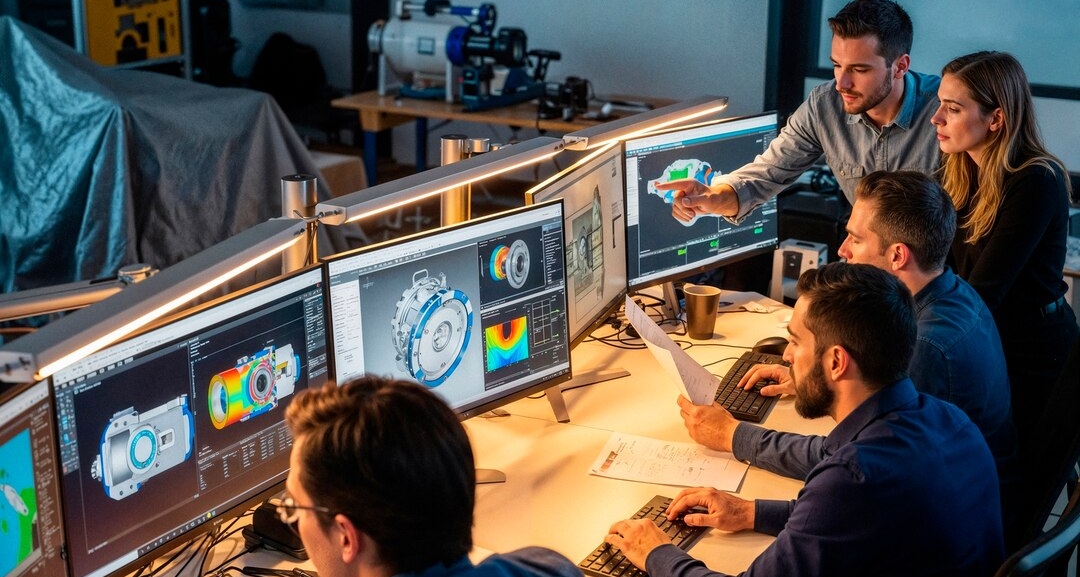
The manufacturing industry is undergoing a significant transformation driven by digital innovation, global competition, and evolving customer demands. Companies are expected to deliver high-quality products faster, at lower costs, and with greater flexibility than ever before. In this environment, relying on outdated systems and manual processes is no longer sustainable.
ERP software for manufacturing has emerged as a critical solution for companies aiming to scale operations, improve efficiency, and remain competitive. By integrating core business functions into a single system, ERP enables manufacturers to operate more strategically and respond effectively to market changes. In 2026, ERP is not just a tool—it is a foundation for industry growth.
The Shift Toward Digital Transformation
Manufacturing is no longer just about machines and production lines. It is increasingly driven by data, automation, and smart technologies. This shift toward digital transformation requires systems that can support real-time data processing and seamless integration across all operations.
ERP software for manufacturing plays a central role in this transformation. It connects different departments, machines, and processes into a unified digital ecosystem. This allows companies to collect, analyze, and act on data more effectively.
By embracing ERP systems, manufacturers can modernize their operations and align themselves with Industry 4.0 trends, ensuring they remain relevant in a rapidly evolving landscape.
Breaking Down Operational Silos
One of the biggest challenges in traditional manufacturing environments is the existence of operational silos. Departments such as production, procurement, finance, and sales often operate independently, leading to miscommunication and inefficiencies.
ERP software eliminates these silos by providing a centralized platform where all departments can access the same data. This improves collaboration, reduces duplication of work, and ensures that everyone is aligned with the company’s goals.
When teams work together more effectively, companies can make faster decisions and respond more quickly to changes in demand or supply chain disruptions.
Enabling Scalable Business Growth
Growth is a primary objective for any manufacturing company, but scaling operations without the right systems in place can lead to chaos and inefficiency.
ERP software for manufacturing provides the structure and scalability needed to support expansion. Whether a company is increasing production capacity, entering new markets, or diversifying its product range, ERP systems can adapt to these changes.
With standardized processes and centralized data, companies can replicate successful operations across different locations and scale without compromising quality or efficiency.
Improving Visibility Across Operations
Visibility is essential for effective decision-making and long-term growth. Without a clear view of operations, companies may struggle to identify inefficiencies, monitor performance, or plan for the future.
ERP systems provide real-time visibility into all aspects of the business, from production and inventory to finances and customer orders. This transparency allows managers to track key performance indicators and make data-driven decisions.
Improved visibility also helps companies identify growth opportunities, optimize resource allocation, and respond proactively to potential challenges.
Strengthening Supply Chain Resilience
Global supply chains have become more complex and vulnerable to disruptions. Events such as raw material shortages, transportation delays, and geopolitical issues can significantly impact manufacturing operations.
ERP software for manufacturing enhances supply chain resilience by providing better control and visibility over the entire supply chain. Companies can track supplier performance, monitor inventory levels, and adjust procurement strategies in real time.
This flexibility allows manufacturers to respond quickly to disruptions, minimize risks, and maintain continuity in their operations—an essential factor for sustainable growth.
Supporting Data-Driven Innovation
Innovation is a key driver of growth in the manufacturing industry. Companies that continuously improve their products and processes are more likely to stay ahead of the competition.
ERP systems provide the data and insights needed to support innovation. By analyzing historical and real-time data, manufacturers can identify trends, uncover inefficiencies, and explore new opportunities.
For example, data from ERP systems can help companies develop new products based on customer demand, optimize production processes, or implement new business models. This data-driven approach to innovation is crucial for long-term success.
Enhancing Customer Satisfaction and Retention
In today’s competitive market, customer expectations are higher than ever. Manufacturers must deliver products on time, maintain consistent quality, and respond quickly to customer needs.
ERP software for manufacturing helps companies meet these expectations by improving order management, production planning, and delivery processes. With accurate data and better coordination, companies can ensure timely deliveries and reduce errors.
Satisfied customers are more likely to remain loyal and recommend the company to others. This not only boosts revenue but also strengthens the company’s position in the market.
Facilitating Compliance and Risk Management
Manufacturing companies often operate in highly regulated environments, where compliance with industry standards and government regulations is mandatory.
ERP systems simplify compliance by maintaining accurate records, automating reporting, and ensuring that processes meet regulatory requirements. This reduces the risk of non-compliance and associated penalties.
Additionally, ERP software helps identify and mitigate risks by providing insights into potential issues, such as supply chain disruptions or financial inconsistencies. Effective risk management is essential for maintaining stability and supporting growth.
Driving Cost Efficiency at Scale
As companies grow, managing costs becomes increasingly important. Without proper systems in place, scaling operations can lead to higher expenses and reduced profitability.
ERP software for manufacturing helps control costs by optimizing resource utilization, reducing waste, and automating processes. With better planning and real-time insights, companies can avoid unnecessary expenses and improve efficiency.
Cost efficiency at scale ensures that growth translates into higher profits rather than increased operational complexity.
Integrating Advanced Technologies
Modern ERP systems are designed to integrate with advanced technologies such as artificial intelligence, machine learning, and the Internet of Things (IoT). These technologies are transforming the manufacturing industry by enabling smarter and more efficient operations.
For example, IoT devices can collect data from machines in real time, while AI can analyze this data to predict maintenance needs or optimize production schedules. ERP systems act as the central hub that brings all these technologies together.
By leveraging these integrations, manufacturers can stay at the forefront of innovation and drive continuous improvement.
Building a Competitive Advantage
In a crowded and competitive market, having the right tools can make all the difference. ERP software for manufacturing provides companies with the capabilities needed to outperform competitors.
From faster decision-making and improved efficiency to better customer service and innovation, ERP systems offer a wide range of benefits that contribute to a strong competitive advantage.
Companies that invest in ERP technology are better positioned to adapt to market changes, seize new opportunities, and achieve sustainable growth.
ERP software for manufacturing is no longer a luxury—it is a necessity for companies that want to grow and succeed in today’s dynamic industrial environment. By enabling digital transformation, improving visibility, and supporting scalable operations, ERP systems provide a solid foundation for long-term growth.
In 2026 and beyond, manufacturers that embrace ERP technology will be better equipped to navigate challenges, innovate continuously, and meet the evolving demands of the market.
Ultimately, ERP software is not just about managing operations—it is about empowering manufacturing companies to grow smarter, faster, and more sustainably in an increasingly competitive world.